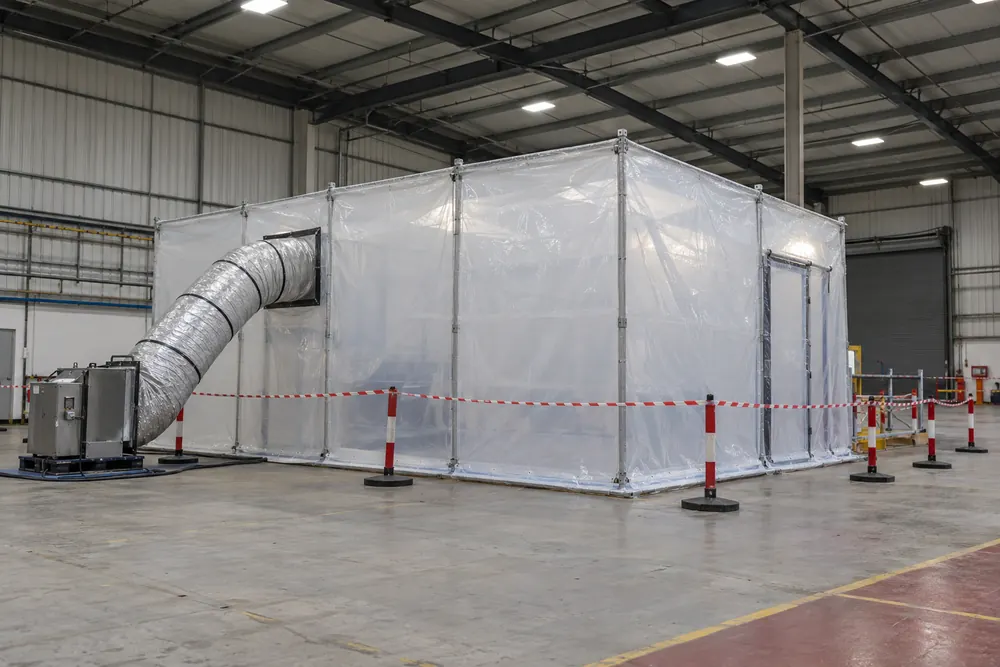
Start With A Defined Removal Scope
Commercial asbestos removal starts with knowing which material needs attention and why. A refurbishment may require removal from the works area, while an occupied factory may need a damaged item assessed before maintenance resumes. The material, its condition and its location determine the work method and the people needed.
We help Leeds facilities managers, landlords and contractors set out the information for a properly scoped project. Share your survey report, relevant plans and intended programme. If the evidence is incomplete, further investigation should happen before a contractor commits to a method or a final removal scope.
Licensed And Non-Licensed Work
Under the Control of Asbestos Regulations 2012, some asbestos work requires an HSE-licensed contractor. HSE distinguishes licensable work, notifiable non-licensed work and non-licensed work. Classification depends on the material and the task, including its condition and the potential for fibre release, rather than the size of the job alone.
An asbestos cement sheet and pipe insulation are not interchangeable removal tasks. The work assessment must determine the appropriate controls, competence, notifications and other requirements. Before appointment, ask the proposed contractor to explain the classification and provide a current licence where the work requires one.
Protecting Occupied Commercial Sites
Removal planning needs to cover people outside the immediate work area as well as those doing the work. Consider adjacent tenants, goods movements, maintenance routes, ventilation systems and emergency access. A busy loading bay or a shared service corridor may affect where an enclosure, waste route or decontamination facilities can be placed.
The contractor should prepare a site-specific assessment and plan of work. Enclosures, controlled access, suitable extraction and decontamination arrangements may be required according to the task. Agree the boundaries and responsibilities with your site contact so routine operations cannot accidentally enter or interfere with the work area.
The Removal Process
Begin with a review of the survey evidence and a visit where necessary. Confirm the materials to be removed and those staying in place, then agree isolations, access arrangements and any enabling works. Establish who will coordinate the removal contractor with your principal contractor or facilities team.
Before removal begins, the contractor puts the agreed controls in place and completes the required checks. Work must follow the assessed method, including how material is handled, contained and moved along the waste route. Unexpected materials or changed conditions require review rather than an improvised extension to the original scope.
At completion, cleaning, inspection and any required clearance procedures take place before handover. Agree who can authorise reoccupation and which documents will evidence that decision. A removal programme should allow for these steps rather than treating the last piece of material leaving the room as the end of the project.
Air Testing And Handover
Where four-stage clearance is required following licensed removal, use an appropriately accredited analyst. HSE strongly recommends that the building owner or client appoints the clearance analyst independently. This separates the assessment of readiness for reoccupation from the contractor carrying out removal.
Keep the relevant clearance documents with the project records. Request the waste consignment documentation and update the register to show what was removed, what remains and where any residual restrictions apply. An asbestos removal record should describe the agreed area, rather than imply the whole building is asbestos-free.
What Affects Removal Cost
Cost depends on the material type, quantity, condition, location and access. Enclosure design, plant isolation, waste movement and arrangements for occupied neighbouring spaces can be significant parts of the work. Roof access and the need to protect production equipment can change the practical requirements even when the material quantity is modest.
Check whether the quotation includes enabling works, notifications, waste handling, analytical support and final documents. Clarify any exclusions for reinstatement or replacement materials. We do not publish generic prices because a useful quotation needs the survey evidence and the actual site constraints.
Prepare Your Enquiry
Include the site postcode, building use and reason for removal, together with the survey findings if available. Describe planned construction dates and any access windows without assuming that a particular start date is possible. If material has been disturbed, tell the site responsible person immediately and stop affected work while specialist advice is obtained.
Read the HSE asbestos guidance and check the requirements for your specific project before work starts.
Service FAQs
Does Asbestos Removal Always Need A Licence?
Asbestos removal does not always need a licence, but the decision must follow an assessment of the material and the task. Some work falls into the notifiable non-licensed category and still carries specific duties. Ask the contractor to explain the classification and confirm the evidence before accepting a proposed method or programme.
When Can The Work Area Be Used Again?
The work area can be used again only after the relevant cleaning, inspection and clearance requirements have been met. For work requiring four-stage clearance, an accredited analyst assesses the area and issues the appropriate certification when it passes. Agree the handover arrangements before work starts and retain the documents with your site records.